

The Ultimate Guide to Moving with Pets: From Vet Visits to Pet-Proofing
By: Michaela Ferguson
Getting Started: Prepare Yourself for Success
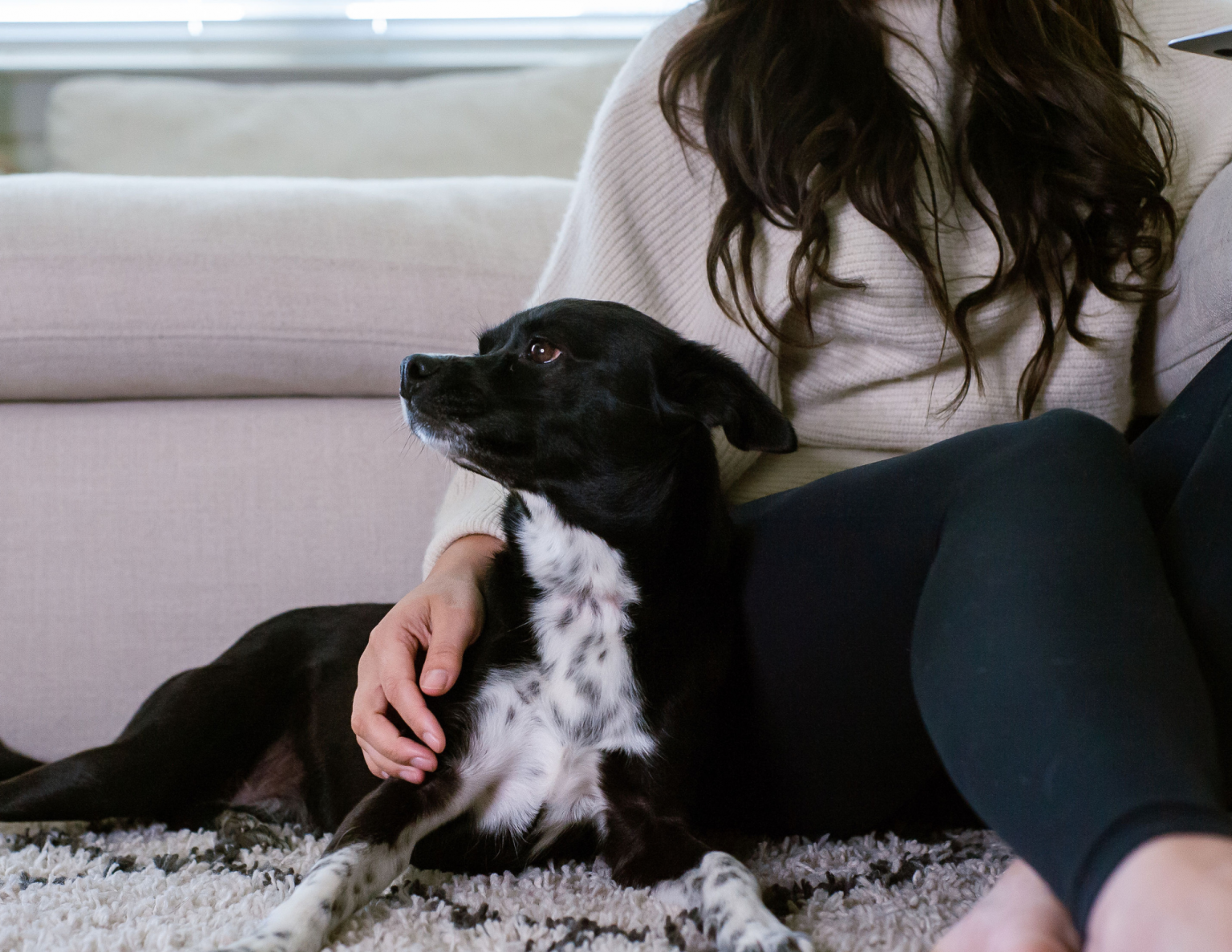
Moving with your pet can bring unexpected challenges. Whether you're moving down the street or across the country, the process can be stressful for both you and your pet. Having moved across the country and back with my sweet dog Daisy, I know firsthand how challenging it can be. Drawing from my personal experiences and my career helping dozens of families relocate, I’ve put together a list of tips and tricks to help you prepare for a smoother move with your pet.
Happy & Healthy: Schedule a Visit with to the Vet
Scheduling a vet visit is essential, especially if you're moving to a new area and will need to find a new veterinarian. During this visit, your pet can get any necessary vaccinations, and you can address any concerns you have about traveling. The vet may also prescribe medication for anxiety or motion sickness to help your pet feel more comfortable during the move. Additionally, they can recommend a vet in your new location and provide all the necessary medical records to ensure a smooth transition.
Identification is Key: Update ID Tags, Collars, and Microchip
Before you move, make sure all your pet's identification is up to date. This includes checking that their collar fits properly to prevent it from slipping off in an emergency and updating the contact information on their ID tags with your current phone number. Microchipping your pet adds an extra layer of security, so if they aren’t chipped yet, consider discussing it with your vet. If your pet is already microchipped, double-check that the information is accurate. It’s also a good idea to take an updated photo of your pet in case of emergencies.
Traveling in Comfort and Safety: Carriers and Well Fitted Harnesses
When transporting cats, dogs, and other small animals, it is recommended to always use a well-ventilated pet carrier. If this is not an option, a good alternative is to use a well fitted harness and secure them to a seatbelt. You can put a blanket over your pet’s crate or carrier to reduce visual stimulation if you think this will help reduce their anxiety (a definite must for our bird friends).
It is important to remember that this should not be the first time your pet has been in their crate or carrier. Familiarize them with it beforehand, so it is a safe and comfortable travel space. You can even take them out on a few test drives beforehand, so traveling in the car is not a new and scary experience. The stress of a move can cause even the most well behaved animals to run away in unfamiliar surroundings. It is never recommended to transport in an open truck bed, trunk of a car, or openly in a moving van.
New Home, New Rules: Get Familiar with Pet Laws
Get familiar with the pet laws of your new city. You don’t want to be caught off guard about leash and pet laws if you move. Do your research beforehand, so you know what to expect. If you’re moving into a new apartment (or rental home), it’s important to know the pet requirements for your lease. The last thing you want is to be turned away when you show up with a pet!
A Stress-Free Zone: Creating Comfort for Your Pet
Moving can cause anxiety and stress on any animal. To help limit this stress, create a safe space for them before and after your move. On moving day, make sure your pets are secured in a crate or closed room of your house or apartment until you are ready to load them into your car. The activities and sounds of moving day will be frightening to your pets, so it is important that they be kept in a secure area to reduce their stress as much as possible and to prevent an accidental escape. Once you arrive at your new home, follow the same protocol. Find a quiet space in the house that you can designate to your pet while you move in. This can make their adjustment period more tolerable.
Road Trip Ready: Planning Ahead for Long Distance
If your move is long distance, it is always beneficial to plan ahead. First, be sure to identify pet-friendly hotels along your route and reserve rooms ahead of time. For a list of pet-friendly hotels, see www.petswelcome.com or AKC.org. Next, account for additional travel time. Similarly to humans, pets will need potty breaks and time to hydrate. Factor in these additional stops to your total travel time and research safe areas, like rest stops and parks on your route for these breaks.
Safety First: Pet Proofing Your New Home
A new space can mean unexpected hazards for your pet. Keep in mind that dogs are prone to chewing when they feel anxious. Be proactive and provide them with plenty of chew toys so they will not be tempted to chew on less desirable options (your shoes or an electrical cord for example).
Follow these pet-proofing tips to make sure they will be safe in their new home:
- Secure all screens, windows, gates, and doors
- If you have a balcony, ensure your pet cannot squeeze through or jump over the railing
- Examine outdoor fences for potential escape routes
- Make sure all vents have covers
- Close toilet lids so small pets cannot fall in, and dogs cannot drink water that may contain chemicals
- Check for any pest control traps or poison that may have been left behind
- Plants can also be poisonous, so check the backyard and remove or isolate any plants that present a threat to your pet
- Don’t just look for the obvious! Mothballs, firestarter sticks, and electrical cords are just a few things that can harm your pet
Happy Moving!
Moving with your pet can be challenging, but with the right preparation, it doesn't have to be overwhelming. By planning ahead, keeping your pet's comfort in mind, and taking steps to ensure their safety, you can make the transition much easier for both of you. Remember, a well-prepared pet owner leads to a calmer, happier pet. As you settle into your new home, may it bring you and your furry companions plenty of joy, love, and peace. Good luck with your move!
State and National Resources for Moving with Your Pet
State-By-State Guide to Moving With Pets
Explore the comprehensive guide and interactive map to local pet laws and regulations by state.
Outdoor Guide for Dogs in Washington State
Here, you will find trail rules for our furry friends in Washington State.
Find a Veterinarian In Washington State
Ready to find a qualified veterinarian in Washington? The following veterinary clinics and animal hospitals offer their services throughout Washington and may be able to help you.
The Best Dog Parks in Washington State
Find the highest rated parks in the state here.
Off-Leash Dog Parks in Washington State
No matter where you live or where you’re headed in Washington, we can help you find an off-leash dog park nearby.
Washington State Pet Stores
You’ll find information on all of our recommended pet stores in Washington here.
Pet-Friendly Hotels in Washington State
Need help to decide where to stay in Washington? Visit here to view each pet friendly hotel, vacation rental, bed and breakfast, and campground in town.


© 2024 Windermere Real Estate
